

Welcome to the World of Swaddling: Finding the Perfect Fit for Your Baby
Bringing a newborn home is a whirlwind. Among all the joys and sleepless nights, parents quickly learn about swaddling. It’s an age-old practice, a real comfort for many little ones, mimicking the snug feeling of the womb.
But here’s the rub: picking the right swaddle size can feel like a shot in the dark. Too big, and it’s a loose blanket hazard. Too small, and your baby is uncomfortable, possibly even risking hip dysplasia. Getting this right isn't just about comfort; it's about safety, peace of mind, and those precious few extra minutes of sleep.
This guide cuts through the noise. We'll walk you through standard sizes, different types, and most importantly, how to swaddle safely. Let's make sure your baby is snug as a bug, every time.

What Exactly is a "Standard" Baby Swaddle Blanket Size?
When you hear "standard," you might imagine one universal size. Not quite in the swaddling world. Typically, a standard, square swaddle blanket measures around 40 by 40 inches (approximately 100 x 100 cm). This size is a workhorse.
Why this dimension? It offers enough fabric to comfortably wrap most newborns and young infants without excessive bulk. It provides the necessary length and width for a secure tuck, preventing breakouts and maintaining that womb-like embrace.
Swaddling: The practice of snugly wrapping an infant in a blanket or cloth to restrict limb movement, often used to promote sleep and mimic the security of the womb.
However, keep in mind that "standard" can also refer to pre-shaped swaddles with Velcro or zippers, where the sizing is often based on weight and length, not square dimensions. Always check the manufacturer's specific guidelines. Those small variations can make all the difference.
Navigating Swaddle Sizes: From Newborn to Growing Baby
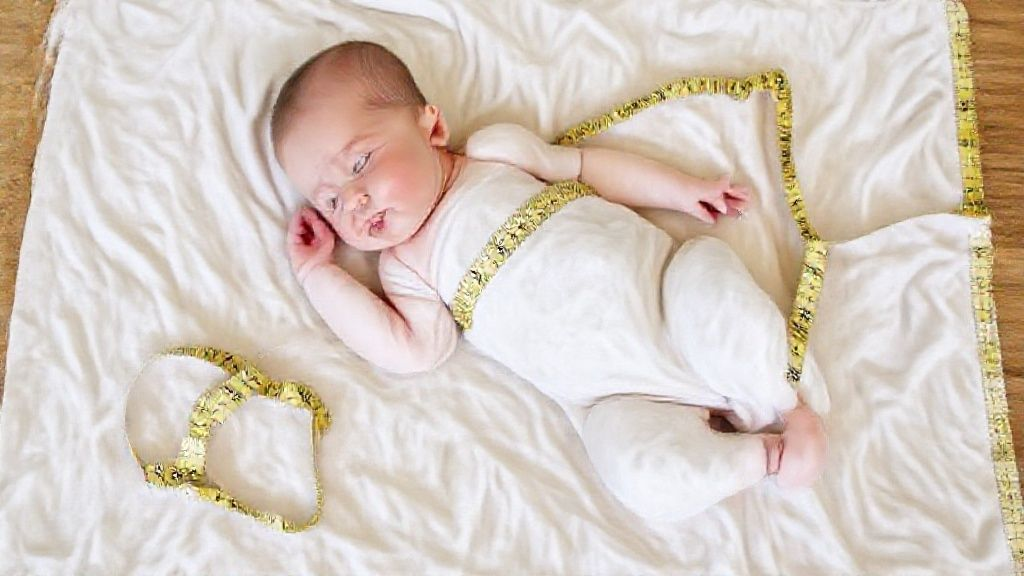
Babies grow fast. One minute they're tiny, the next they're busting out of everything. Swaddles are no exception. Choosing the right size hinges on your baby's current weight and length, not just their age.
A blanket suitable for a 6-pound preemie won't cut it for a hefty 10-pound newborn. And a swaddle designed for a 2-month-old might restrict a long-limbed infant. Measure your little one accurately to hit that sweet spot.
How to Measure Your Baby for the Perfect Fit
It's simpler than it sounds. Lay your baby flat on their back. Use a soft measuring tape or even a piece of string and then measure the string against a ruler. Note their length from the top of their head to their heels. For weight, use your home baby scale or refer to their last pediatrician visit. These numbers are your best friends when checking swaddle size charts.
Swaddle Size Chart: A Quick Reference
This table offers general guidance. Always cross-reference with the specific product's sizing chart.
| Baby Stage | Approximate Weight Range | Approximate Length Range | Recommended Blanket Size (Square) | Recommended Shaped Swaddle Size |
|---|---|---|---|---|
| Newborn/Small | 5-12 lbs (2.3-5.4 kg) | Up to 23 in (58 cm) | 30x30 in to 36x36 in | Small / Newborn |
| Infant/Medium | 12-18 lbs (5.4-8.2 kg) | 23-26 in (58-66 cm) | 36x36 in to 40x40 in | Medium |
| Larger Infant/Large | 18-24 lbs (8.2-10.9 kg) | 26-29 in (66-74 cm) | 40x40 in to 47x47 in | Large |
Beyond Dimensions: Understanding Different Swaddle Blanket Types
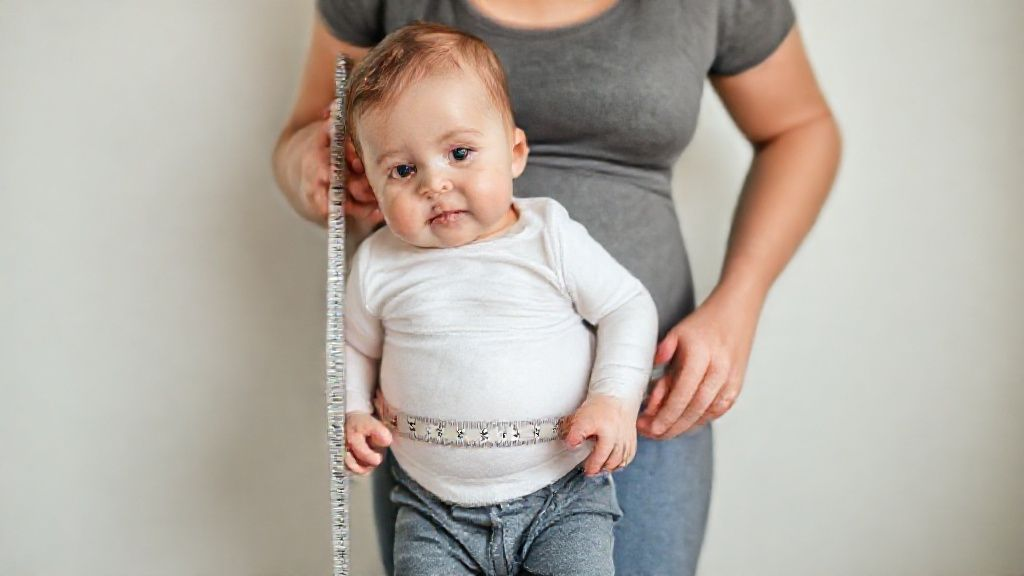
The world of swaddles offers more than just square blankets. Different types cater to varied needs and preferences. Each has its own benefits, impacting how the "fit" feels, even with similar dimensions.
Traditional Square Blankets
These are your classic swaddle blankets, often made from soft, breathable materials like muslin, cotton, or bamboo. They require a specific folding technique. Their versatility is a huge plus; they double as burp cloths, nursing covers, or stroller sun shields.
Velcro and Zippered Swaddles (Swaddle Sacks)
For parents seeking an easier wrap, pre-shaped swaddles are a lifesaver. These often feature wings with Velcro closures or simple zippers, making it almost foolproof to get a snug, secure fit. They typically come in specific sizes (Newborn, Small, Medium, Large) based on weight and length, removing the guesswork of blanket dimensions. They're great for quick diaper changes too!
Material Matters
Muslin: Lightweight, breathable, and gets softer with every wash. Perfect for warmer climates or layered sleeping.
Cotton: A classic choice, durable and absorbent. Can be thicker than muslin, offering more warmth.
Bamboo: Incredibly soft, naturally hypoallergenic, and thermal-regulating. A luxurious feel.
Organic fabrics: For parents concerned about chemicals, organic cotton or bamboo offers peace of mind.
Consider your home's temperature and the season. A heavy flannel swaddle isn't ideal for a hot summer night. Breathability is key to preventing overheating.
The Art of Safe Swaddling: A Step-by-Step Guide
Swaddling isn't just about wrapping; it's about wrapping safely. A proper swaddle should be snug around the chest and arms but loose around the hips and legs. This is crucial for healthy hip development.
How to Swaddle (Traditional Blanket)
Lay it out: Spread the swaddle blanket flat in a diamond shape. Fold down the top corner about six inches.
Position baby: Lay your baby on their back on the blanket, with their neck at the folded edge. Make sure their head is above the fold.
First arm: Gently straighten your baby's left arm and place it alongside their body. Take the left side of the blanket and pull it across your baby's body, tucking it snugly under their right arm and back.
Bottom flap: Bring the bottom corner of the blanket up over your baby's feet and tuck it loosely behind their left shoulder. Ensure there's plenty of room for their legs to move and "frog out." Their hips should not be tightly constricted.
Second arm: Straighten your baby's right arm and place it alongside their body. Take the remaining right side of the blanket and pull it across your baby's body, tucking it under their left side.
Check for snugness: The swaddle should be secure enough that it won't unravel, but you should be able to slide two fingers between the blanket and your baby's chest. Most importantly, their hips and legs must have freedom to move.
Remember, a swaddle is meant to calm, not to bind tightly. Your baby needs to move those little legs for proper hip development.

When to Stop Swaddling
This is a critical safety point. As soon as your baby shows any signs of trying to roll over, it's time to stop swaddling. This usually happens between 2 to 4 months of age. If a swaddled baby rolls onto their stomach, they might not be able to roll back, increasing the risk of suffocation.
Transition to a sleep sack, which provides warmth without restricting arm movement. It's a safe and cozy alternative.
Prioritizing Safety: Essential Guidelines for Swaddling Your Baby
Swaddling, when done correctly, can be a fantastic tool for soothing infants. However, safety must always come first. There are non-negotiable rules to follow.
Creating a Safe Sleep Environment
Back to Sleep: Always place your swaddled baby on their back to sleep. This is the single most important recommendation for reducing the risk of SIDS.
Clear Crib: Keep the crib clear of any loose blankets, bumpers, toys, or pillows. A swaddle means no other blankets are needed.
Firm Mattress: Ensure your baby sleeps on a firm, flat mattress in a crib or bassinet that meets safety standards.
Preventing Overheating and Protecting Hips
Overheating is a serious risk. Dress your baby lightly underneath the swaddle. Check their neck and chest to ensure they aren't too warm. If they're sweaty, flushed, or breathing rapidly, they might be too hot. Adjust layers or switch to a lighter swaddle.
For hip health, the swaddle must not restrict leg movement. The International Hip Dysplasia Institute (IHDI) emphasizes that a swaddle should allow a baby's legs to bend up and out at the hips, resembling a frog's natural position. Tightly wrapping legs straight down can lead to hip dysplasia.
Swaddling and SIDS Prevention
The American Academy of Pediatrics (AAP) supports swaddling as a tool to promote sleep, but only under strict guidelines. The primary concern is if a baby rolls over while swaddled. Once your baby shows signs of rolling, discontinue swaddling immediately. This is not a suggestion; it's a critical safety measure.
Always place a swaddled baby on their back. If they somehow manage to roll onto their stomach, the swaddle restricts their ability to use their arms to push up or reposition, increasing the risk of Sudden Infant Death Syndrome (SIDS).
Troubleshooting Swaddling: Common Challenges and Smart Solutions
Even with the right size and technique, swaddling isn't always smooth sailing. Babies have their own minds, and sometimes, they just don't want to be wrapped up. Or they're escape artists!
My Baby Keeps Breaking Out!
This is a common headache for many parents. Often, it means the swaddle isn't snug enough around the arms and chest. Double-check your technique. Are you tucking the blanket firmly enough? Sometimes, a slightly smaller, pre-shaped swaddle with Velcro can solve this problem. If they're constantly breaking free, it might also be a sign they're getting ready to unswaddle completely.
My Baby Hates Being Swaddled!
Some babies just aren't fans. Try a modified swaddle where one or both arms are left out. This can still provide body comfort without full restriction. If that doesn't work, consider a sleep sack from the get-go. Not every baby needs or likes swaddling, and that's perfectly okay.
Adapting for Seasons and Climate
A thin muslin swaddle is a lifesaver in summer or warmer rooms. During cooler months, a thicker cotton or flannel might be more appropriate. Always dress your baby in pajamas that suit the room temperature, then add the swaddle as an additional layer, checking for signs of overheating. You don't want them to get too toasty, leading to fussiness and disrupted sleep.
More Than Just Swaddling: Creative Uses for Your Baby Blankets
Those soft, versatile baby blankets don't just stop at swaddling. They're real multi-taskers, ready to pull double or triple duty around the house and on the go. Getting a good quality, generously sized blanket means you'll use it for years.
Nursing Cover: Need a little privacy while feeding? Drape a swaddle blanket over your shoulder. Its light fabric offers discretion without trapping heat.
Burp Cloth: An absolute essential. Keep one handy for spit-ups and dribbles.
Stroller Cover: Protect your little one from sun, wind, or light rain while out and about. Just ensure airflow remains good.
Play Mat: Lay it down on the floor for tummy time or a soft spot for your baby to kick and play.
Changing Pad Cover: An impromptu changing station? Lay a swaddle blanket down. Easy to wash!
Light Blanket for Toddlers: Even after swaddling days are long gone, these soft blankets are perfect for naptime or as a comfort item for older children.
DIY Project: Feeling crafty? Turn old swaddles into small lovies, handkerchiefs, or even cute fabric headbands.
The possibilities are endless. Investing in a few good quality swaddle blankets truly pays off in their long-term utility.
Frequently Asked Questions About Swaddle Blanket Sizes and Safety
What size swaddle blanket is best for a newborn?
For newborns typically weighing 5-12 lbs, a traditional square swaddle blanket around 36x36 inches is a good starting point. Pre-shaped swaddles will have a "Newborn" or "Small" size specifically for this weight range. Always prioritize a snug fit around the arms and chest, with plenty of room for hip and leg movement.
How long can a baby be swaddled?
You should stop swaddling your baby as soon as they show any signs of attempting to roll over, which typically occurs between 2 to 4 months of age. Once they can roll, a swaddle becomes a safety hazard if they end up face down and can't use their arms to push up.
Is swaddling safe for hip development?
Yes, if done correctly. The swaddle must allow your baby's legs to bend up and out at the hips, mimicking a natural "frog-leg" position. Avoid swaddling techniques that tightly straighten or bind the legs together, as this can lead to hip dysplasia. Always ensure the bottom of the swaddle is loose and spacious.
What is the best material for a swaddle blanket?
The "best" material depends on your climate and personal preference. Muslin is popular for its breathability and softness, ideal for warmer temperatures. Cotton is a versatile, durable choice. Bamboo offers exceptional softness and temperature regulation. Prioritize natural, breathable fabrics to prevent overheating.
Ready to Swaddle with Confidence?
Empower yourself with the knowledge to provide your baby with safe, comfortable sleep. A well-chosen, correctly applied swaddle can make all the difference for those precious early months. Give your little one the snug embrace they deserve, and reclaim some much-needed rest for yourself!
Discover More Parenting Tips